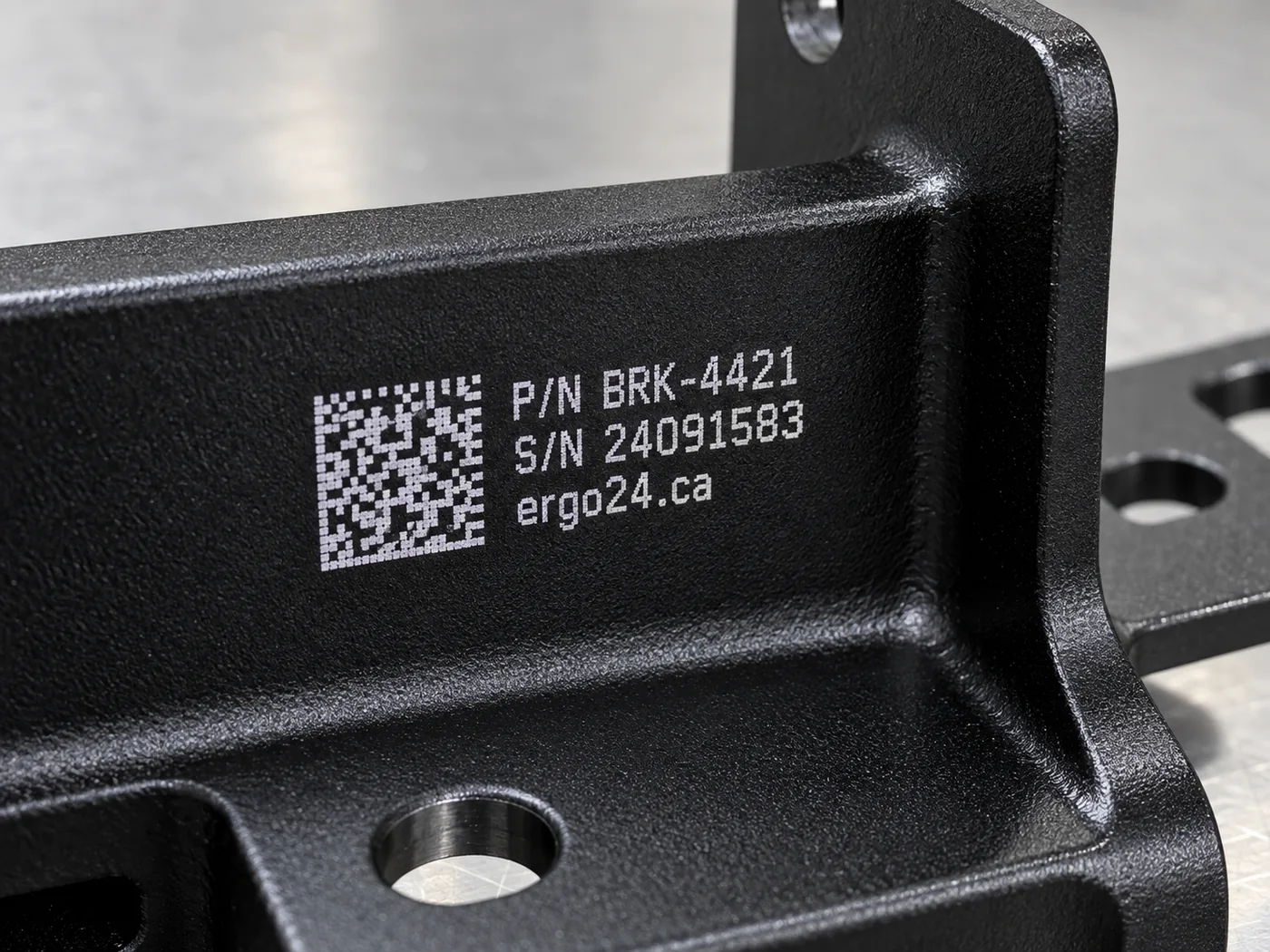
Direct Part Marking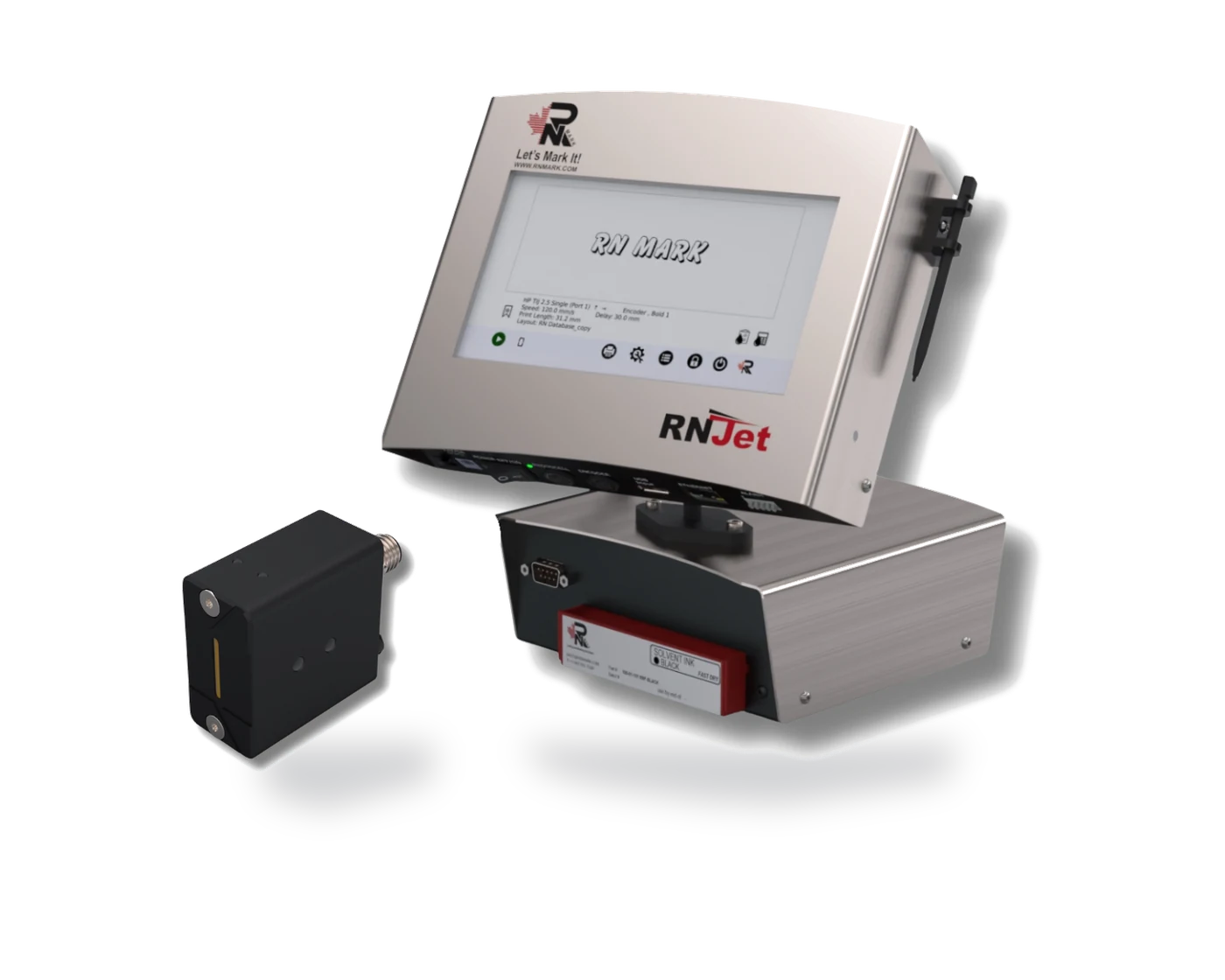
RNJet 100 / 200
Piezo marking directly on metal brackets, housings and plastic parts — up to 15 mm print distance, up to 36 mm tall.
View Full Specs
Durable, high-speed marking for filters, brake components, metal and plastic parts, rubber hoses and the packaging they ship in — with serialization and GS1 DataMatrix support for traceability.
Automotive suppliers mark dozens of part numbers a day across metal brackets, plastic housings, rubber hoses, filters and brake components — often on oily, curved or textured surfaces moving at production speed. Codes need to survive handling, cleaning fluids and heat, while still matching the lot numbers, date codes and serial numbers your customers and auditors expect.
RNJet thermal inkjet (TIJ) and piezo printers mark directly on parts and their packaging, printing static text, auto date & time, batch numbers, serial numbers, barcodes and GS1 DataMatrix — without the daily cleaning and makeup fluid that continuous inkjet (CIJ) printers require.
Tell us the substrate, line speed and code content — we'll recommend the right printer and ink.
Max print speed on carton & case coding
Piezo print distance for direct part marking
Serialization & traceability code support
No daily nozzle cleaning or makeup fluid
From direct part marking to case and pallet coding, RNJet covers the full line — not just the box the parts ship in.


Real production footage of RNJet piezo printers marking automotive filters.
Printing on Air Filter for Vehicles
RNJet 100 Printing White Ink on a Car Oil Filter
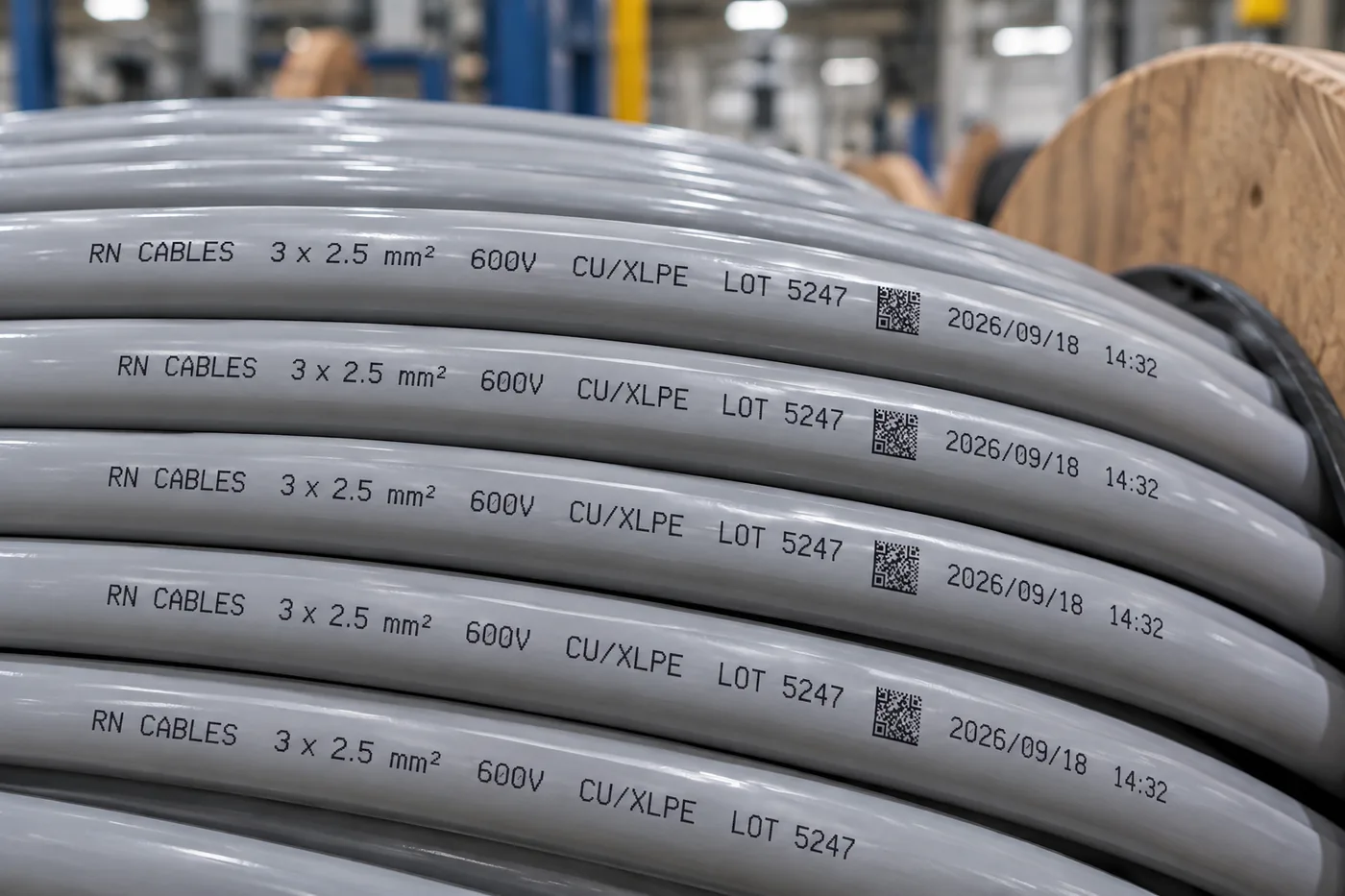
Actual production samples printed with RNJet TIJ and piezo printers on parts, cables and packaging.
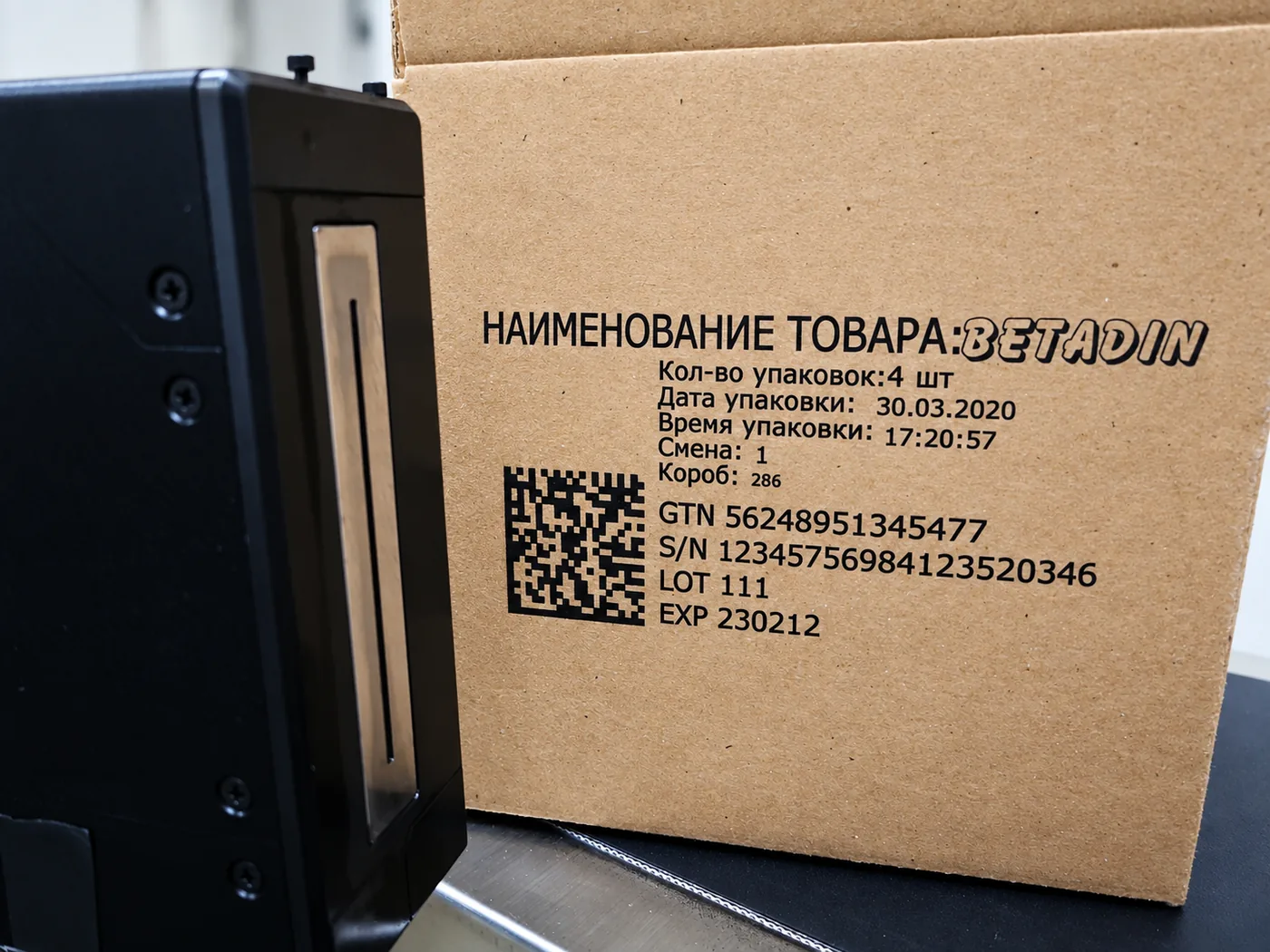
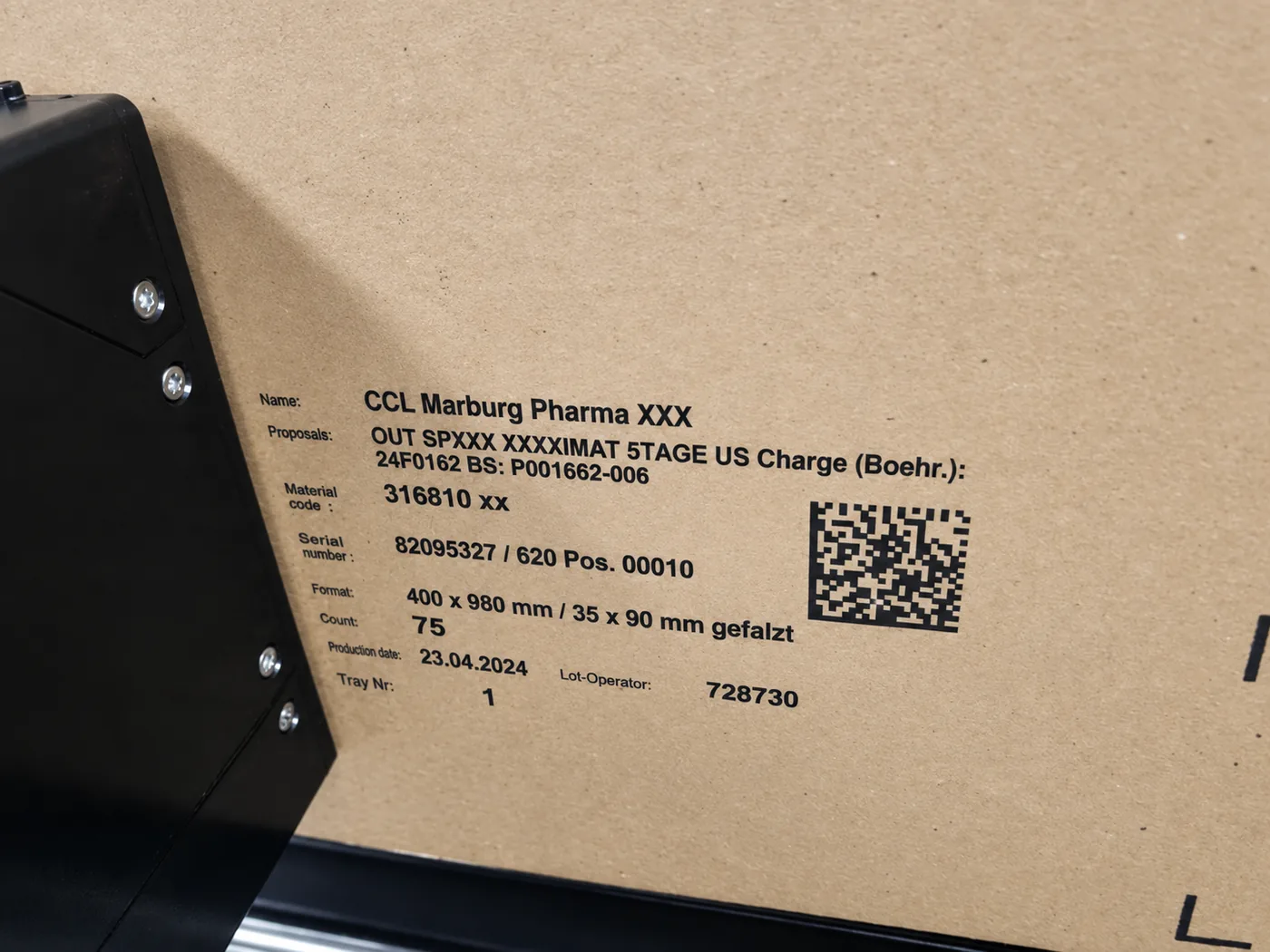
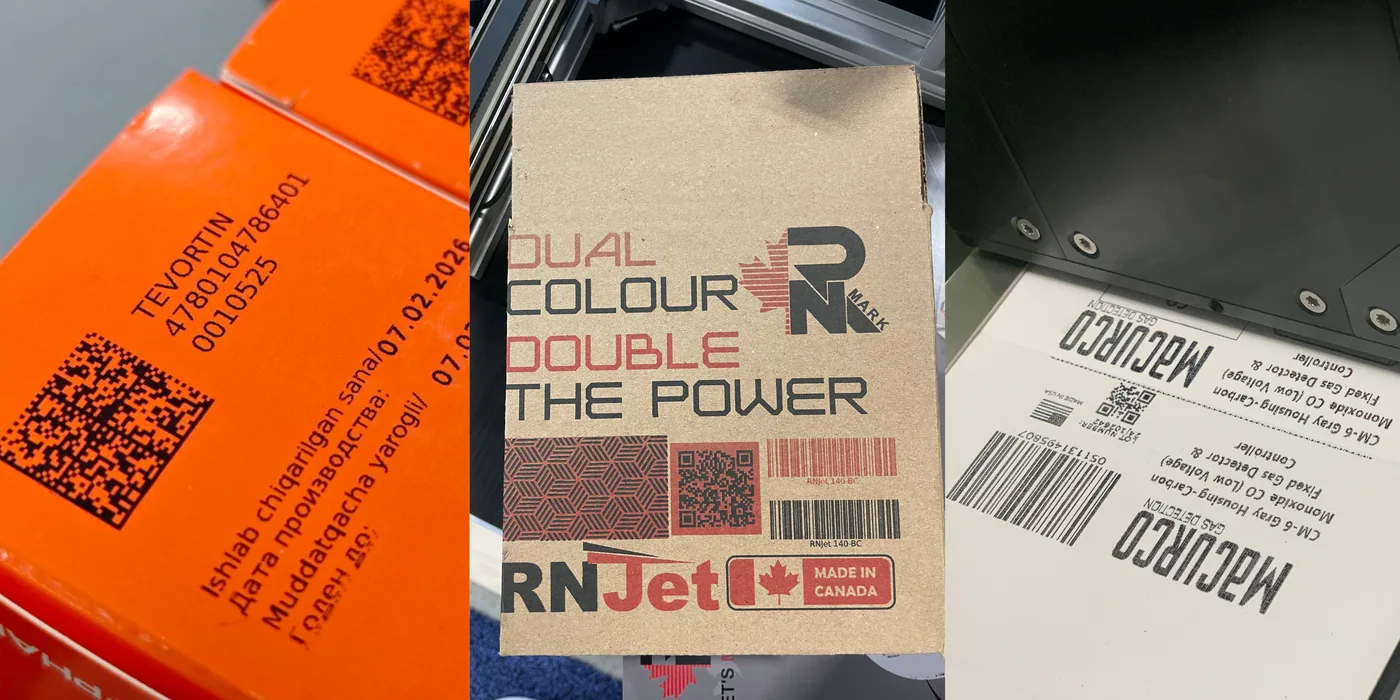
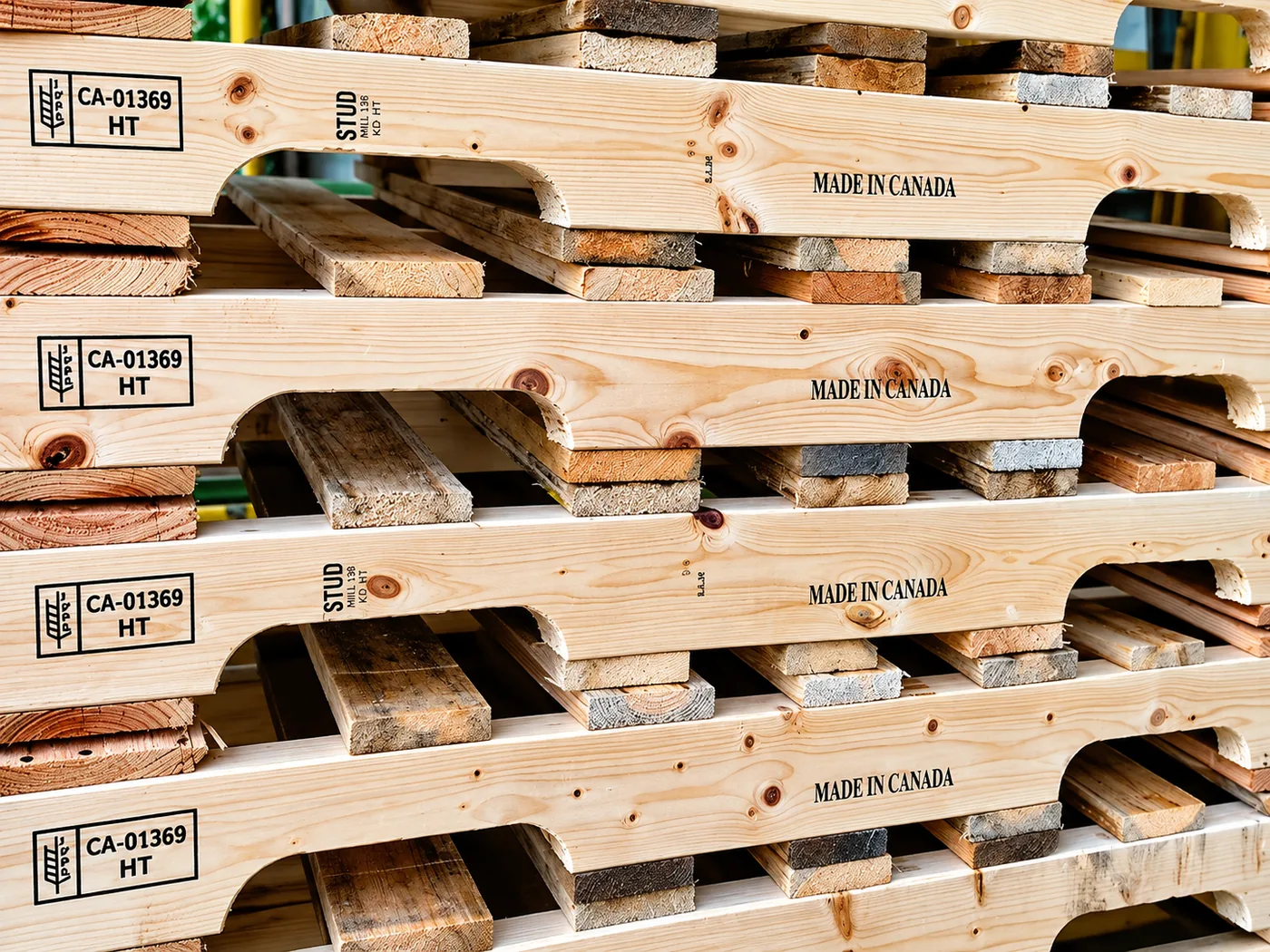
No single printer fits every automotive line — here's where each RNJet platform typically fits.
Piezo marking directly on metal brackets, housings and plastic parts — up to 15 mm print distance, up to 36 mm tall.
View Full Specs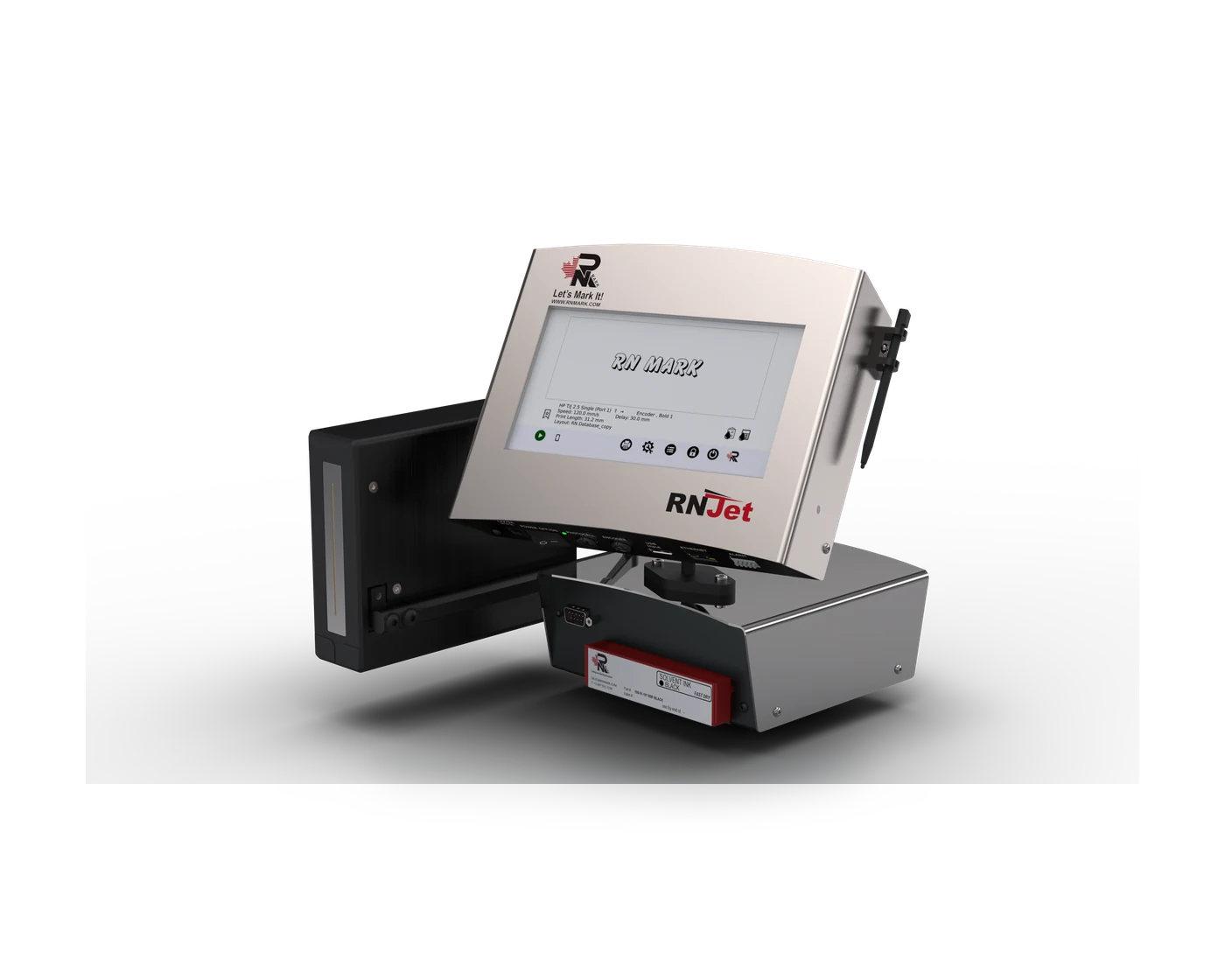
Large, easy-to-scan lot codes and barcodes on case packs and pallets — up to 144 mm tall.
View Full Specs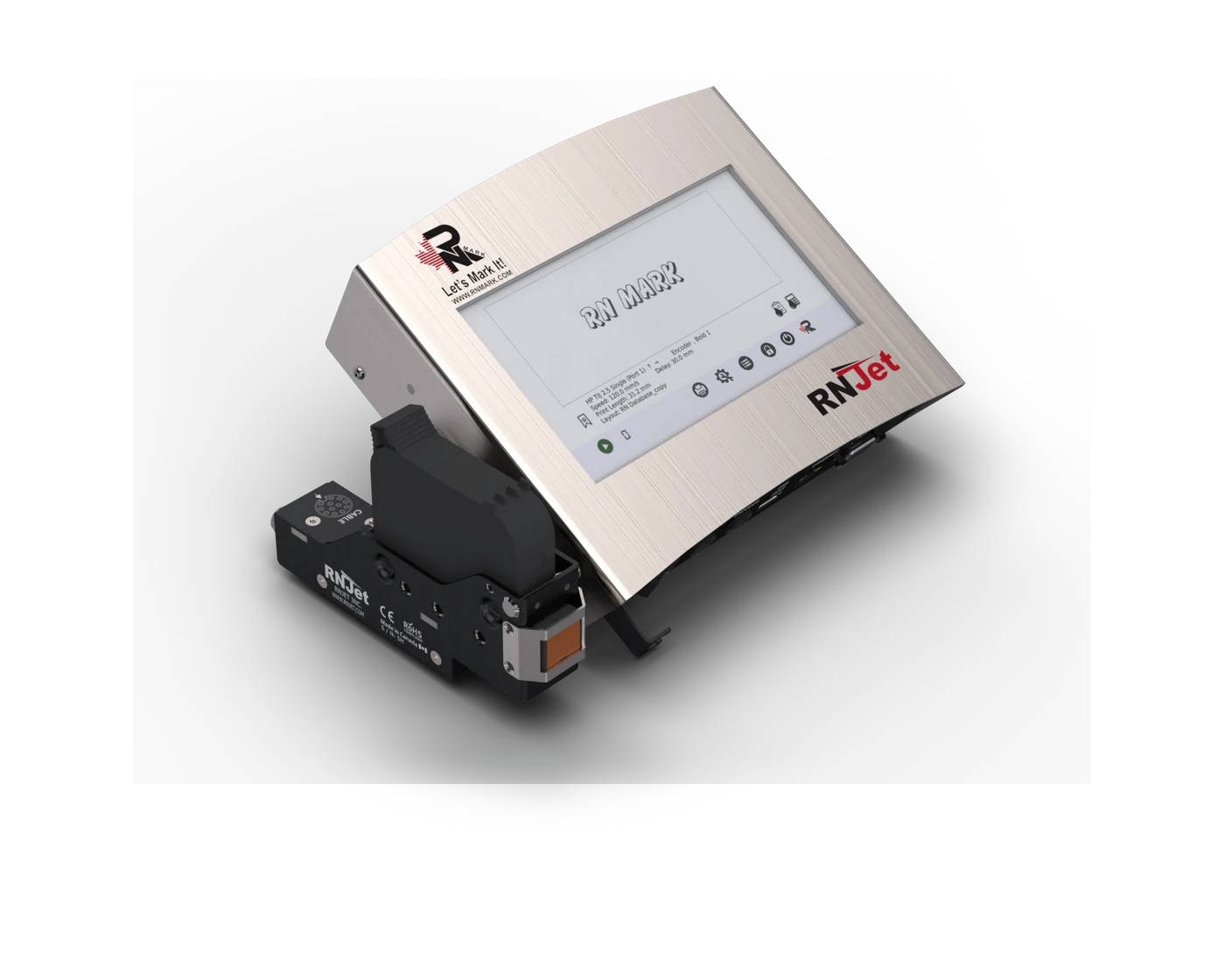
High-speed date and lot codes on cartons and flexible packaging — no daily maintenance, up to 180 m/min.
View Full Specs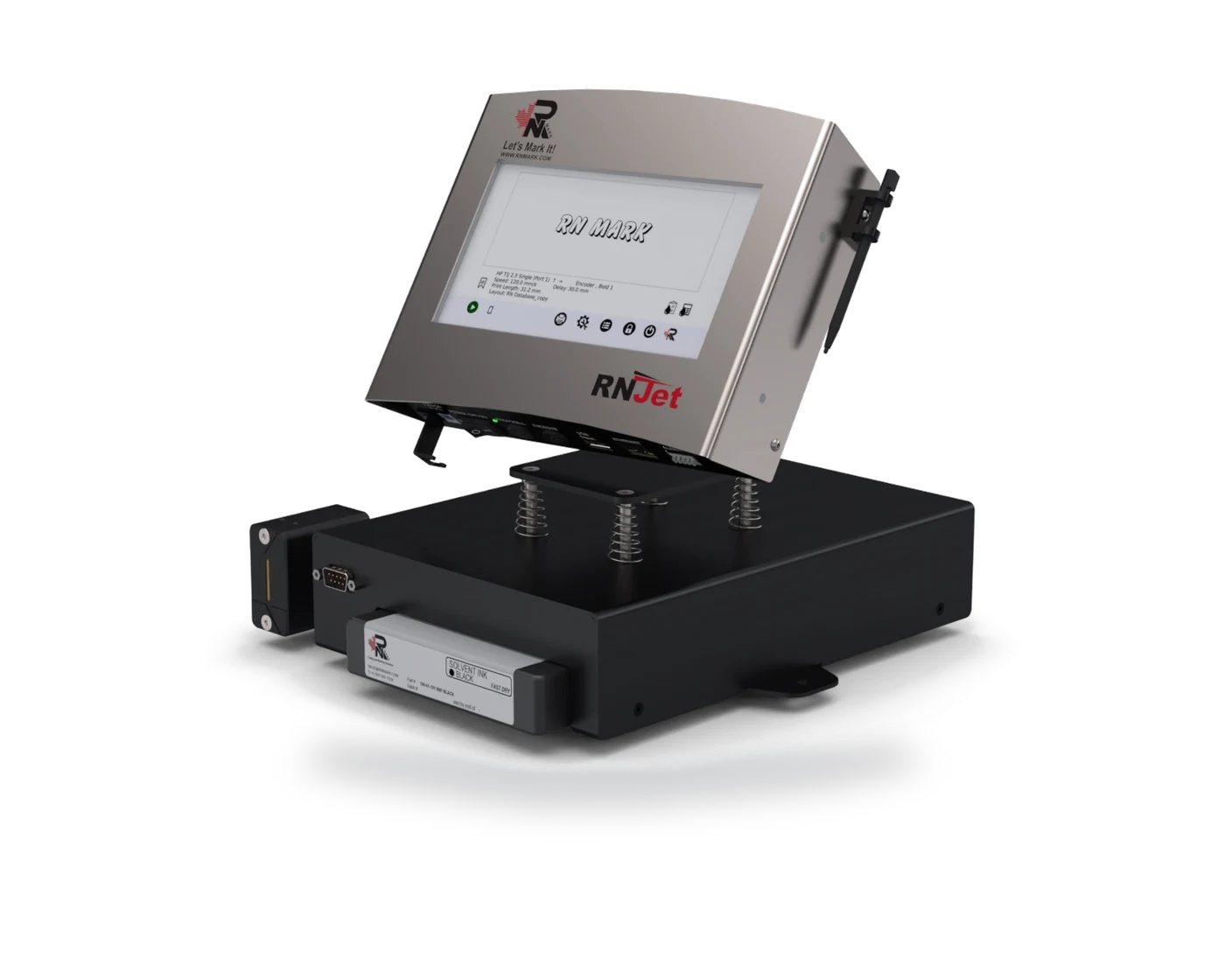
Same direct part marking as the 100/200, with a high-capacity 430 mL cartridge for long, unattended runs.
View Full SpecsAuto-incrementing serial numbers, lot codes and GS1 DataMatrix for customer and audit traceability requirements.
Solvent, oil-based and UV ink formulations matched to curved, oily or textured automotive substrates.
Triggers from a photo-eye or PLC signal and prints at up to 180 m/min without becoming the bottleneck.
Cartridge or bulk ink systems with no daily nozzle cleaning or makeup fluid — less downtime than continuous inkjet.
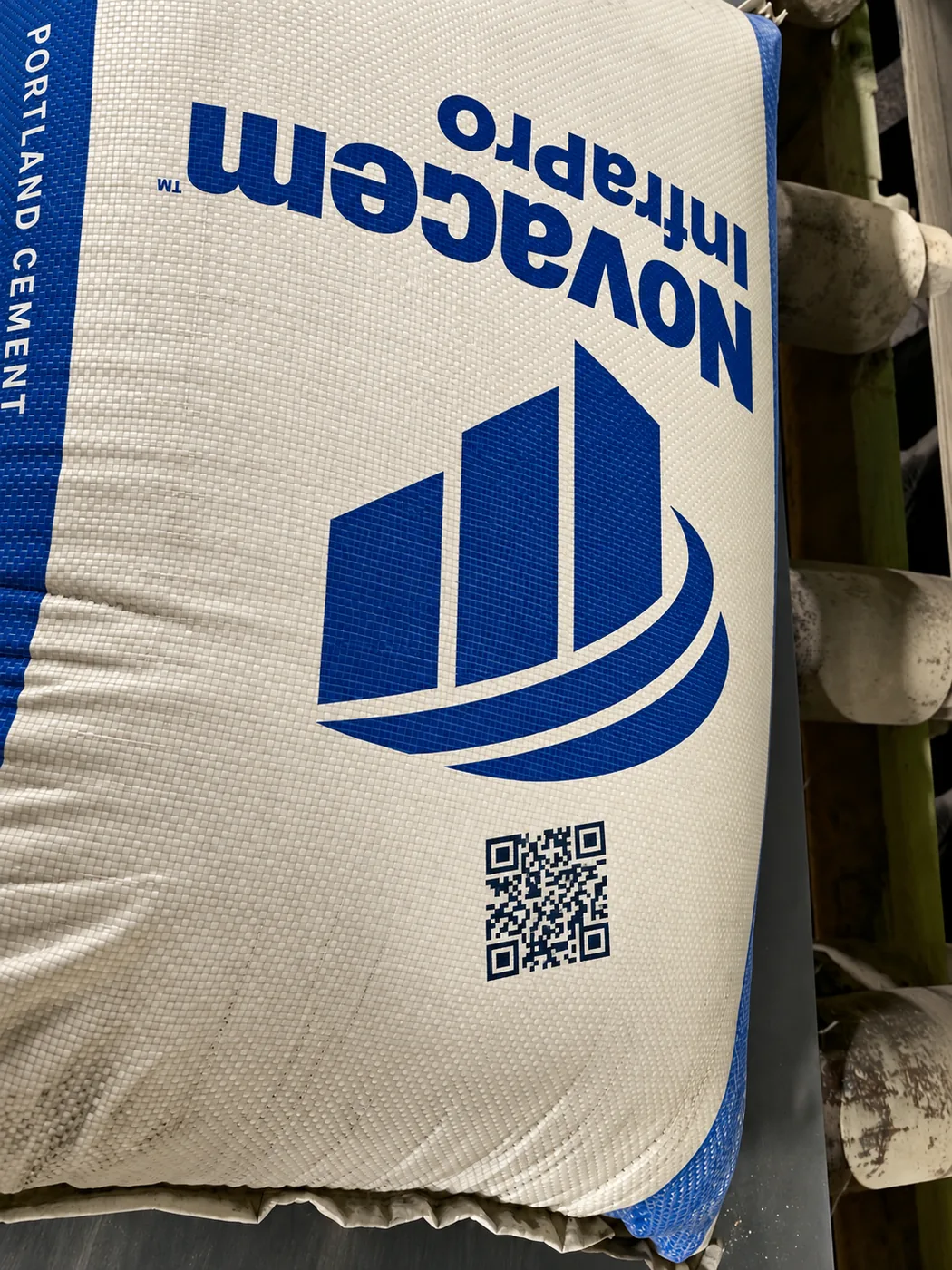
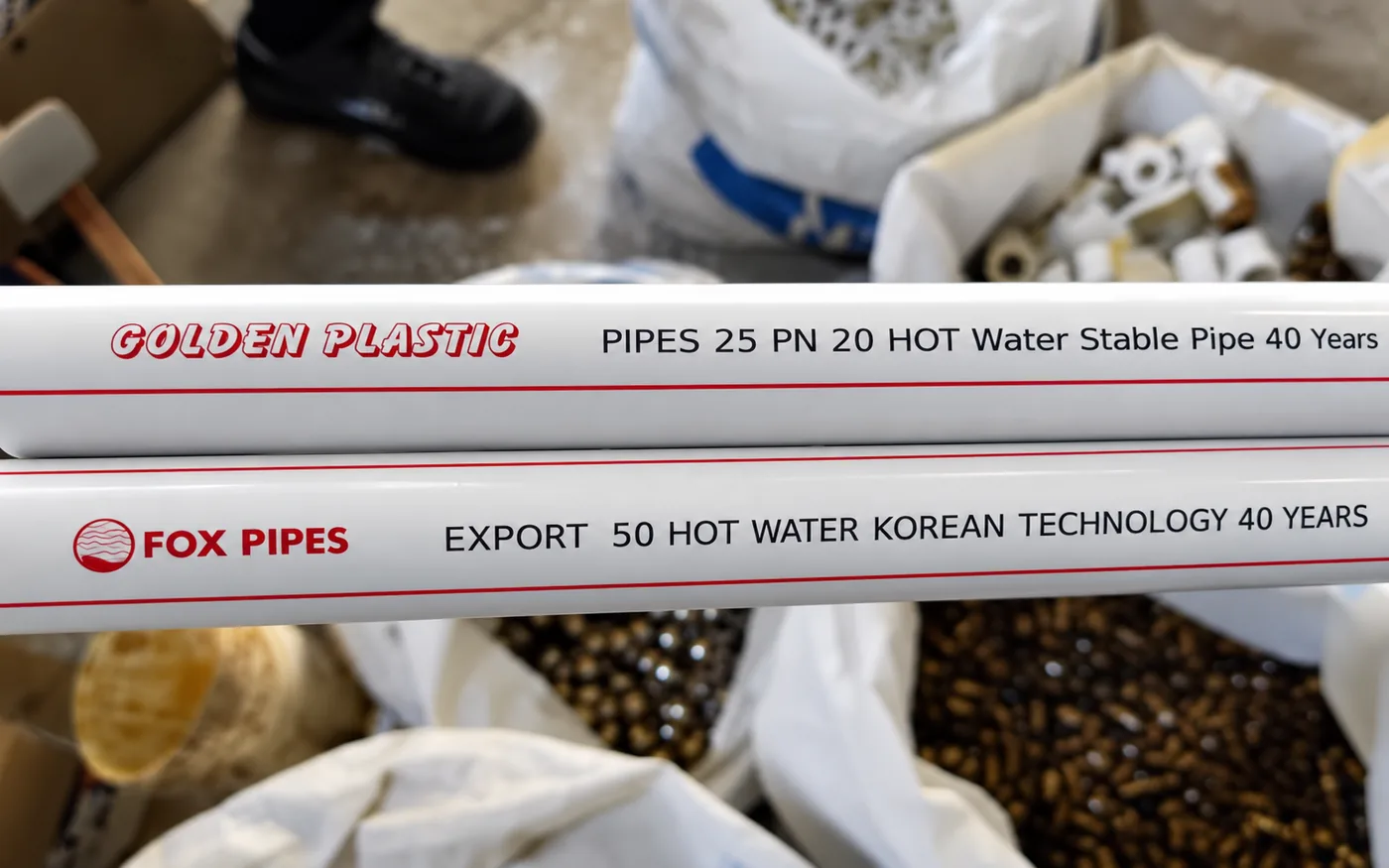
Oil and air filters, brake components, rubber hoses and tubing, metal brackets and housings, plastic parts, and the cartons, cases and pallets those parts ship in.
Yes. RNJet printers support auto-incrementing serial numbers, lot and batch codes, date codes, barcodes and GS1 DataMatrix — the code types automotive suppliers use to meet customer traceability requirements such as IATF 16949.
With the right ink formulation, RNJet printers mark on metal, plastic, rubber and coated surfaces — including curved and uneven parts, at up to 15 mm print distance on piezo models.
RNJet thermal inkjet and piezo printers avoid the daily cleaning, makeup fluid and nozzle maintenance that CIJ printers require, while printing comparable or higher-resolution codes at up to 180 m/min.
Yes. RNJet printers mount directly on new or existing lines, print from the side, downwards, upwards or at an angle, and trigger from a photo-eye or PLC signal without slowing the line.
Share your part, substrate and line speed, and a RNJet USA specialist will recommend the right printer and ink.
Fill out the form and our team will respond as soon as possible.