
By Dylan. Originally published by RN MARK on .
What is Thermochromic Ink?
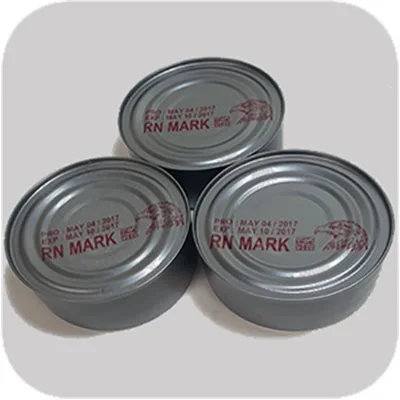
Thermochromic ink is a type of ink that reacts to temperature changes by altering its color. This material uses pigments that undergo a reversible chemical reaction when exposed to heat or cold. The color change occurs because the pigments inside the ink are sensitive to specific temperature thresholds, typically between 25°C and 60°C (77°F to 140°F), though this can vary depending on the formulation of the ink. The primary focus here is on thermochromic inks that shift colors between black and red. This dramatic shift in color when exposed to heat is both eye-catching and functional. These inks are most commonly used in applications where the visibility of changes can provide important indicators or enhance user experiences.Thermochromic Ink Applications
Packaging and Product Labels
One of the most widespread uses of thermochromic ink is in product packaging and labels. Many companies use this ink to create interactive and dynamic packaging that reacts to temperature. For example, a beverage label might change from black to red when the drink reaches the ideal drinking temperature, providing consumers with a visual cue. This application can be found in products like soft drinks, snacks, and even beauty products.Security and Anti-Counterfeiting
Thermochromic ink has found a prominent place in security applications, such as currency, identification cards, and branded merchandise. The ink can be applied to sensitive areas of documents or products, ensuring authenticity. For instance, a credit card or ID card might include thermochromic ink that changes from black to red when subjected to the warmth of a finger, making it difficult for counterfeiters to replicate.Fashion and Textiles
Thermochromic ink is also gaining popularity in the fashion industry, particularly for fabric printing and clothing. Designers use this ink to create unique, dynamic apparel that changes color depending on the wearer’s body heat. This can be seen in T-shirts, jackets, and even shoes that transition between black and red, providing a striking visual effect.Key Properties of Thermochromic Ink
Temperature Sensitivity
The primary feature of thermochromic ink is its temperature sensitivity. The ink changes color when the temperature reaches a particular threshold. This property can be fine-tuned based on the specific needs of the application, such as the exact temperature at which the ink transitions from black to red.Reversibility
Thermochromic inks are typically reversible, meaning they will return to their original color when the temperature changes again. This makes them ideal for applications where repeated color changes are required, such as in packaging or promotional materials.Durability
Thermochromic ink is generally durable and can withstand regular handling and exposure to different environmental conditions, depending on its formulation. However, it’s essential to use high-quality thermochromic inks to ensure that the color change remains consistent over time.The Future of Thermochromic Ink
As the demand for innovative and interactive designs continues to grow, the use of thermochromic ink is expected to expand. With advancements in materials science, the ink formulations are becoming more durable, versatile, and cost-effective. This opens up new possibilities for its application in more industries, including automotive, consumer electronics, and even healthcare products. Additionally, combining thermochromic ink with other technologies, such as smart packaging and sensors, could create even more dynamic and responsive products.
As researchers continue to explore new formulations and applications, thermochromic ink will undoubtedly become an integral part of the future of design, security, and consumer engagement.