
Originally published by RNJet on .
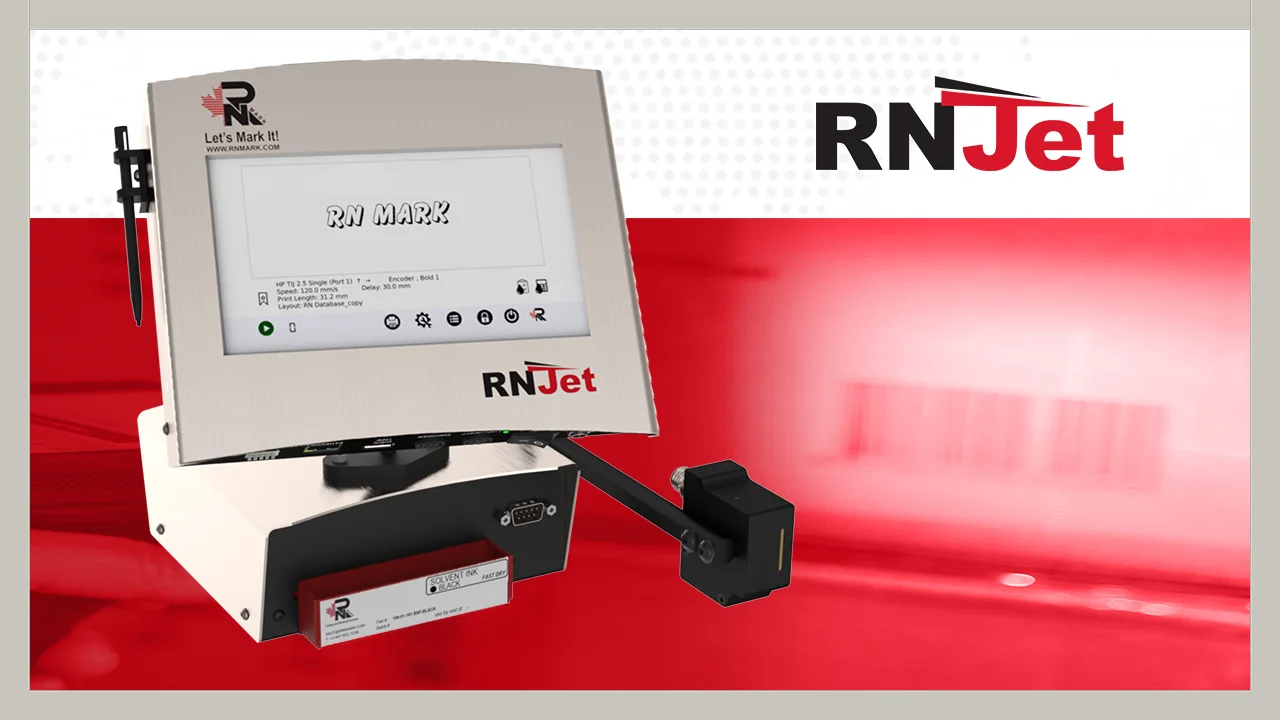
An industrial date coder prints variable information on products and packaging, including packaged-on dates, best-before dates and lot codes. The code helps operators identify when a product was made and link it to the right production record.
What does a date coding machine do?
It applies the selected date, time or batch identifier as the product is packed. On an automated line, a sensor can trigger the printer each time a package passes the printhead. Confirm the date rollover and lot settings before a shift starts or a run changes.
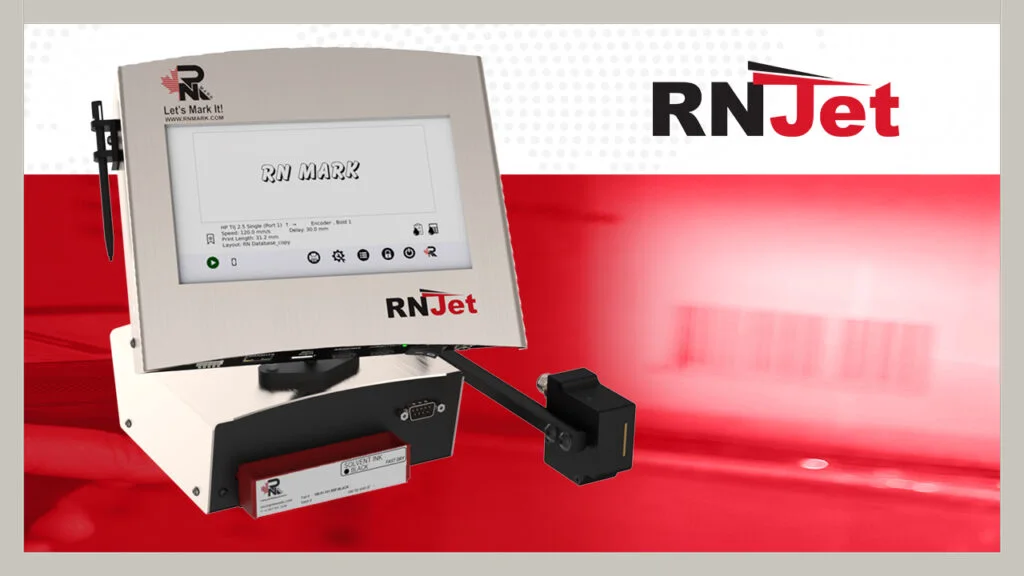
Types of industrial date coders
Handheld coders let an operator mark individual items. Thermal transfer equipment uses a ribbon to print on compatible packaging film. Fixed industrial inkjet printers can print on a moving line. Compare thermal inkjet, piezo and continuous inkjet by print height, surface and line speed.
Common date formats on packaging
A packaged-on date identifies when an item was packed. A best-before date represents a separate quality date field. An ordinal date represents the day of the year. For example, if a manufacturer uses YYYYDDD, 2026002 represents January 2, 2026. For a different format, follow the manufacturer’s code convention.
Test the code before installing the printer
Bring the full message, including the date format and lot identifier, and a sample of the actual packaging. Run the code at the planned line speed and check readability after normal handling. Use the date, lot and batch coder guide to plan the trial, then compare RNJet coder configurations for your line.