By Dylan. Originally published by RN MARK on .
Start with the actual surface. Uncoated cardboard and paper absorb ink. A coating, laminate or slick material such as glass or metal can change adhesion and drying. Use a sample of the packaging as it reaches the print station.
Choose a cartridge for your thermal inkjet printer
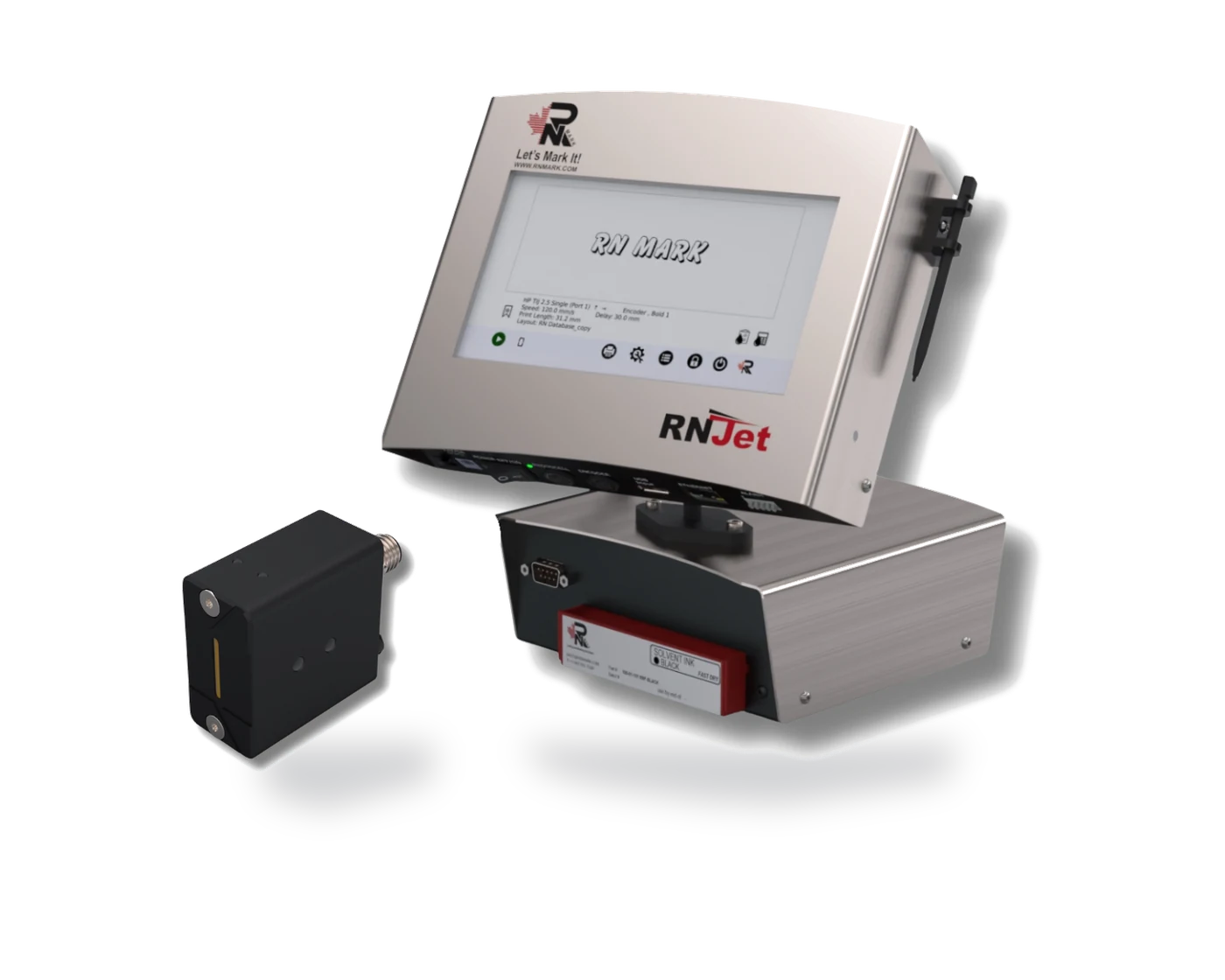
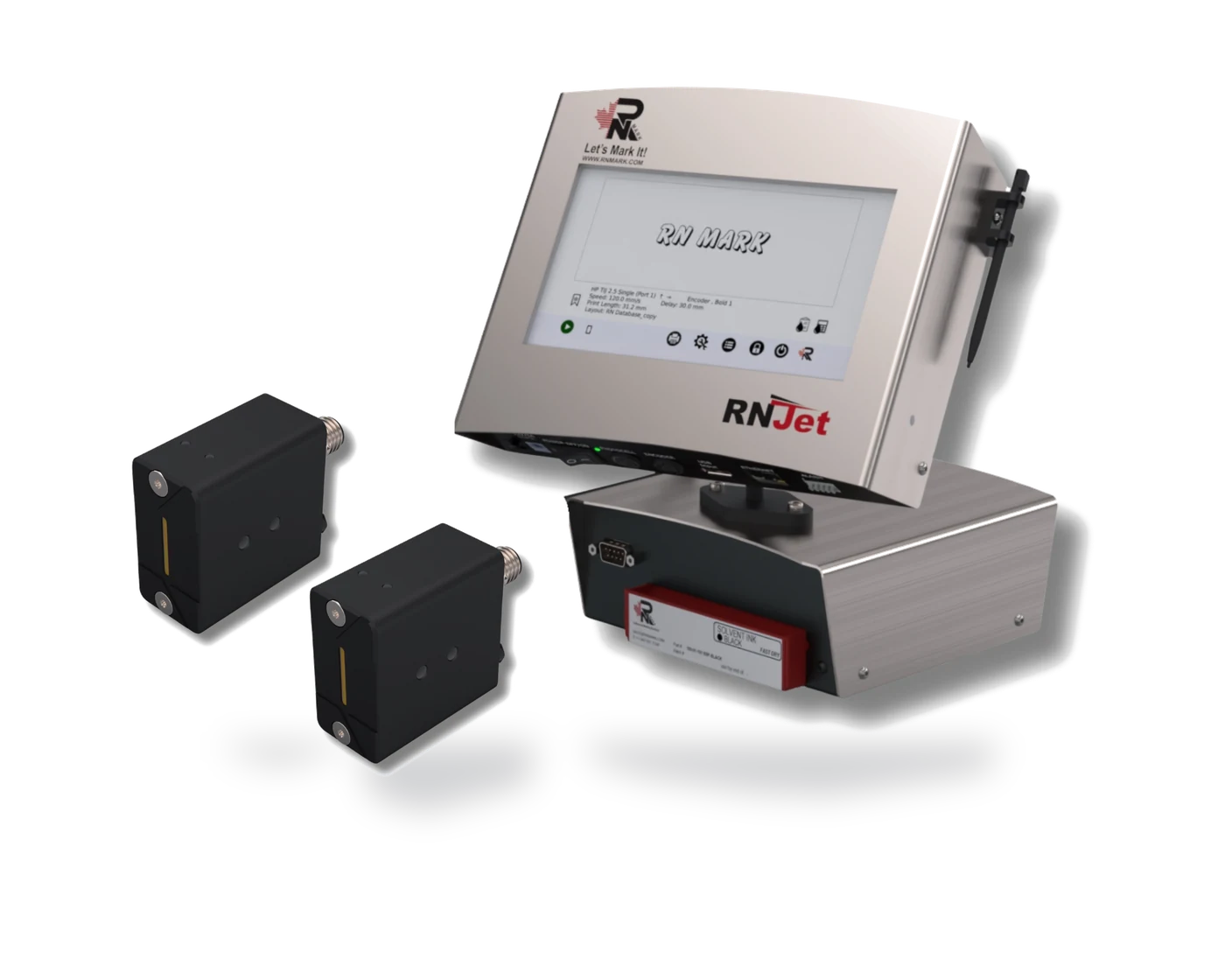
For RNJet H1 and H2, compare the water-based TIJ cartridge for porous materials with Black 9 solvent TIJ ink for non-porous surfaces. Check the full part number and test the code on the actual material. See the U.S. catalog guidance on solvent TIJ ink.
Match 490 mL ink bottles to the piezo system
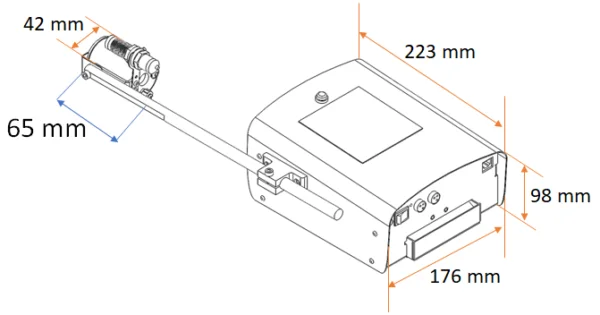
The U.S. catalog lists Oil Black 100-1604-901 for oil-based motorized systems. For solvent-based motorized systems, compare Black C 100-1609-901 and Black P 100-1613-901. The catalog describes Black P as a solvent-system option for porous materials. Confirm both the printer configuration and ink part number with RNJet USA.
Check the code after normal handling
Bring the full message, code size, packaging sample and planned line speed. Read the code after the usual drying interval, handling and packing. For printed examples, see the guides for corrugated boxes, beverage cans and flexible packaging.